Sleep Environment · Sleep Wellness
A Sleep-Friendly Bedroom: Light, Noise and Comfort
The bedroom cannot guarantee great sleep, but avoidable light, noise and discomfort are reasonable places to begin when nights feel unsettled.
By Wellness Center Editorial Team · Published September 25, 2026 · Updated September 25, 2026
Explore the Article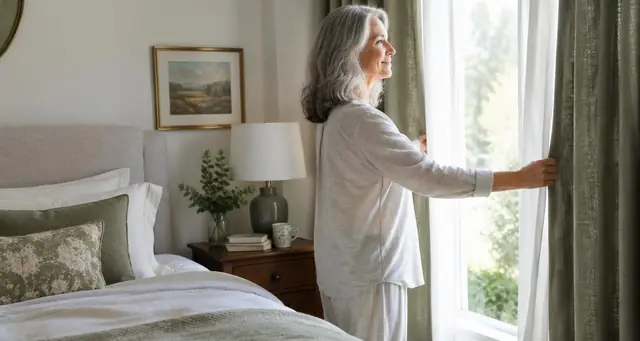
Questions about sleep friendly bedroom deserve a closer look at your own circumstances, not a universal answer.
It helps to begin with what you can observe and what you cannot know from an article. A healthy routine can support sleep opportunity, while persistent or concerning symptoms deserve individual professional evaluation.
Notice light sources
A hallway lamp, streetlight or bright bedside screen may be more noticeable than you expect. Choose an approach that preserves safety while reducing unnecessary brightness.
Morning daylight is a different question: many people find a clear daytime cue helpful for a stable routine.
For the wider context, see our Sleep Recovery Guide and practical bedtime routine guide. These are educational starting points, not personalized recommendations.
Make noise and temperature manageable
Listen for fans, traffic or household sounds that disrupt the night. Some people prefer quieter rooms; others use a steady sound to mask changes. Comfort is personal.
Bedding and room temperature should fit your body and health needs. Avoid treating one exact temperature as a rule for everyone.
Keep perspective
A perfectly arranged room cannot explain every symptom. If sleepiness or breathing-related concerns persist, talk with a qualified clinician.
Test one adjustment at a time so you can tell whether it fits your real routine.
A practical checklist
- Identify one avoidable light source.
- Check interruptions from noise or temperature.
- Keep safety and accessibility in mind.
Give a manageable change time to fit real life. If you notice no improvement or symptoms interfere with daily safety, take your notes to a qualified healthcare professional.
Frequently Asked Questions
Does a dark room guarantee better sleep?
No. It may reduce interruptions, but sleep is shaped by many factors.
What room temperature is best?
Comfort varies; choose a safe, comfortable setting rather than a universal number.
Where to go next
Start with the pattern you recognize, then review the bigger picture of sleep timing, interruptions and daily habits. Read the Sleep Recovery Guide for related questions and independent context. If you are later considering a sleep supplement, that guide points to our separate label review before any seller information.
For independent background on sleep and health, visit the National Heart, Lung, and Blood Institute sleep resource. That public-health source does not endorse any product mentioned on this site.
Affiliate Disclosure
This independent educational page may contain affiliate links. If you click one of these links and make a purchase, we may earn a commission at no additional cost to you. This does not influence our commitment to providing clear and balanced information.