Supplement Education · Practical guide
Citrus, Bergamot and Metabolism: What Research Can and Cannot Tell Us
Citrus ingredients contain interesting compounds, but ingredient research, a finished supplement and a personal result are three different levels of evidence.
An interesting ingredient is not the same as a predictable result.
A familiar moment
Does this sound familiar?
- The front label sounds clearer than the fine print.
- Several products seem to make the same broad promise.
- You want context before spending money.
If so, take a breath—the useful next step is observation, not a perfect overhaul.
What can the evidence really tell us about citrus, bergamot and metabolism: what research can and cannot tell us?
This guide gives you the context first, then practical ways to notice what may be shaping your routine. No scavenger hunt required: the useful answer belongs in the article, not behind the next click.
Why citrus ingredients attract attention
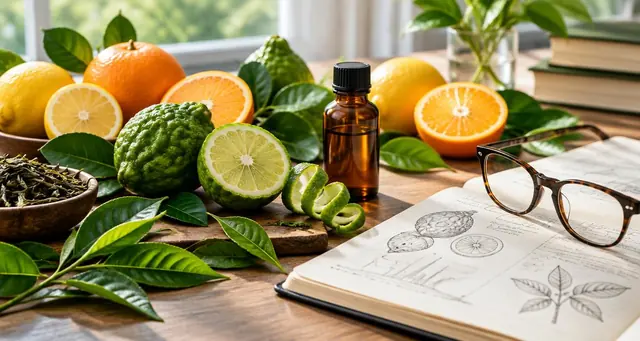
Citrus fruits contain flavonoids and other plant compounds that researchers study in laboratory, animal and human settings. Bergamot, bitter orange and sweet orange are different plants or preparations and should not be treated as interchangeable.
A promising biological pathway does not establish that a supplement causes weight loss. Study design, dose, duration, population and the exact extract influence what can reasonably be concluded.
Consumers should be cautious when marketing jumps from research on one isolated compound to broad claims about a multi-ingredient product.
Bergamot and citrus extracts
Bergamot is a citrus fruit associated with southern Italy. Extracts may be standardized for particular compounds, while essential oils and flavorings are different preparations with different uses.
Research interest does not create a universal benefit. Studies may focus on biomarkers rather than body weight, and results from a selected population may not apply to every adult.
A useful label identifies the specific ingredient, amount per serving and any standardization. Proprietary blends can make it harder to compare the marketed formula with published research.
Thermogenic ingredients in context
Capsicum and caffeine-containing green tea extracts are often marketed around thermogenesis. A temporary change in heat production or energy use can be measurable without being large enough to predict a meaningful outcome.
Stimulant exposure should be considered across coffee, tea, energy drinks, pre-workout products and supplements. Sensitivity varies, and more is not necessarily better.
Our thermogenesis guide explains how resting energy, food processing, exercise and everyday movement fit together. That full picture is more useful than focusing on one mechanism.
How to read a supplement label
Start with serving size and servings per container. Compare the front-panel language with the Supplement Facts panel, and check warnings, allergens and contact information for the responsible company.
Look for amounts rather than a long list of fashionable ingredients. Ask whether cited research tested the same form and dose, in humans, for a relevant outcome and reasonable duration.
Review seller terms independently of ingredient claims. Shipping, recurring billing, refund requirements and customer-service details affect the purchase decision.
Safety and realistic expectations
Natural does not mean risk-free. Citrus-derived ingredients, caffeine and plant extracts can be unsuitable for some people or interact with medications.
Pregnant or nursing adults, people managing a condition and anyone sensitive to stimulants should seek professional advice before use. Stop using a product and seek care for concerning reactions.
Supplements are optional additions. Balanced nutrition, movement, sleep and appropriate healthcare remain the foundation, and no article can guarantee an individual result.
A low-pressure next step
What to notice next
- Check the exact ingredient and amount.
- Separate a measured effect from a promised outcome.
- Review warnings and seller terms before deciding.
Frequently Asked Questions
Is bergamot the same as bitter orange?
No. They are distinct citrus sources, and extracts can differ further by preparation and standardization.
Do citrus extracts guarantee weight loss?
No. Mechanistic or ingredient research cannot guarantee an individual weight outcome.
Does green tea extract contain caffeine?
Some extracts do and some are decaffeinated. Check the current label and total daily caffeine exposure.
What is a proprietary blend?
It lists a combined blend amount while individual ingredient amounts may not be disclosed, limiting comparison with research.
Who should ask a clinician before using supplements?
People taking medication, managing conditions, pregnant or nursing adults, and those with ingredient or stimulant sensitivities.